


Humanity is facing a triple planetary crisis of climate change, biodiversity loss and pollution, creating a complex web of challenges that must be addressed in a coordinated manner. Among these, pollution follows the principle of double materiality: it affects both society and ecosystems, and poses growing risks to financial institutions. However, banks can play a powerful role in reversing this trend by supporting clients that adopt resource-efficient and low-pollution practices. Doing so not only contributes to global sustainability efforts but also helps strengthen financial performance and resilience.
This series provides a practical starting point for banks to understand and address pollution risks and opportunities. The strategies presented aim to support banks in engaging in meaningful change towards pollution reduction and prevention, for impactful and lasting change. It also supports alignment with internationally recognized frameworks, including the Global Framework on Chemicals (GFC) and legally binding multilateral environmental agreements such as the Basel, Rotterdam, and Stockholm Conventions. The two sectoral supplements focus on sectors that contribute significantly to pollution, yet offer strong opportunities for transformation and impact, namely buildings and construction and agriculture.
Pollution reduction and management in the agriculture sector (2025)
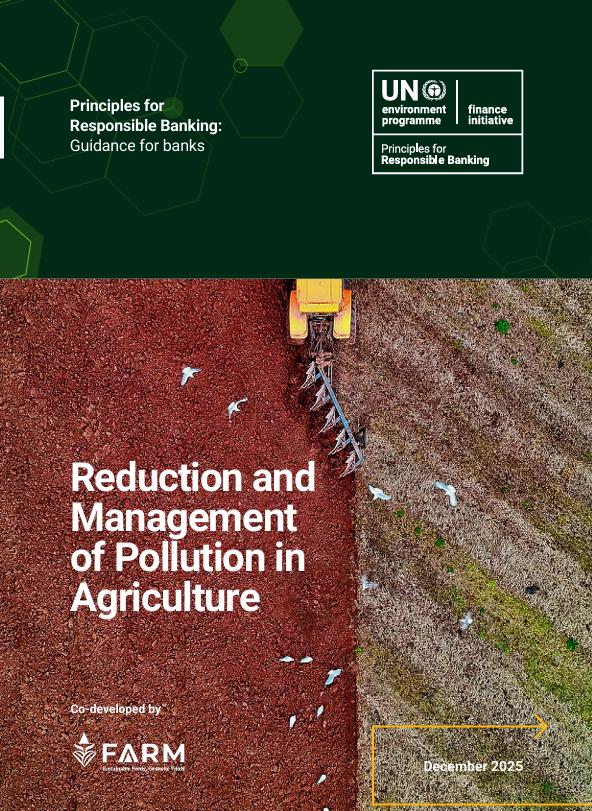
This sectoral supplement provides a practical framework for banks to reduce pollution in the agriculture sector, particularly from chemicals and plastics. Given agriculture’s dependence on healthy ecosystems, banks have both a responsibility and a strategic interest in supporting more sustainable agricultural practices. By directing capital toward projects that reduce agrochemical and plastic use, banks can mitigate risks and generate meaningful environmental and social benefits. Download here.
This resource was co-developed with the Financing Agrochemical Reduction and Management (FARM) Programme, funded by the Global Environment Facility (GEF), which supports sustainable finance in agrifood value chains.
Pollution reduction and management in the buildings and construction sector (2025)
This sectoral supplement offers banks a practical framework to start reducing pollution impacts and manage risks related to the buildings and construction sector within their portfolios. It outlines four key areas for action: a) policies, processes, and culture, b) client engagement, c) portfolio composition and d) financing, stakeholder engagement and partnerships.
Given the sector’s heavy reliance on debt financing, banks have a unique opportunity and responsibility to promote pollution-reduction measures through their lending and investment strategies. Proactive engagement can reduce risks such as regulatory non-compliance, credit losses, legal liabilities, and reputational damage. Download here.
A webinar presenting key insights from the series and exploring how pollution action aligns with emerging regulatory trends, and broader climate/nature goals was held in September 2025. Watch the recording here.